Explore our
Healing Pollinator Garden
A Legacy of Care at 114-116 N 7th Street, Canon City, Colorado
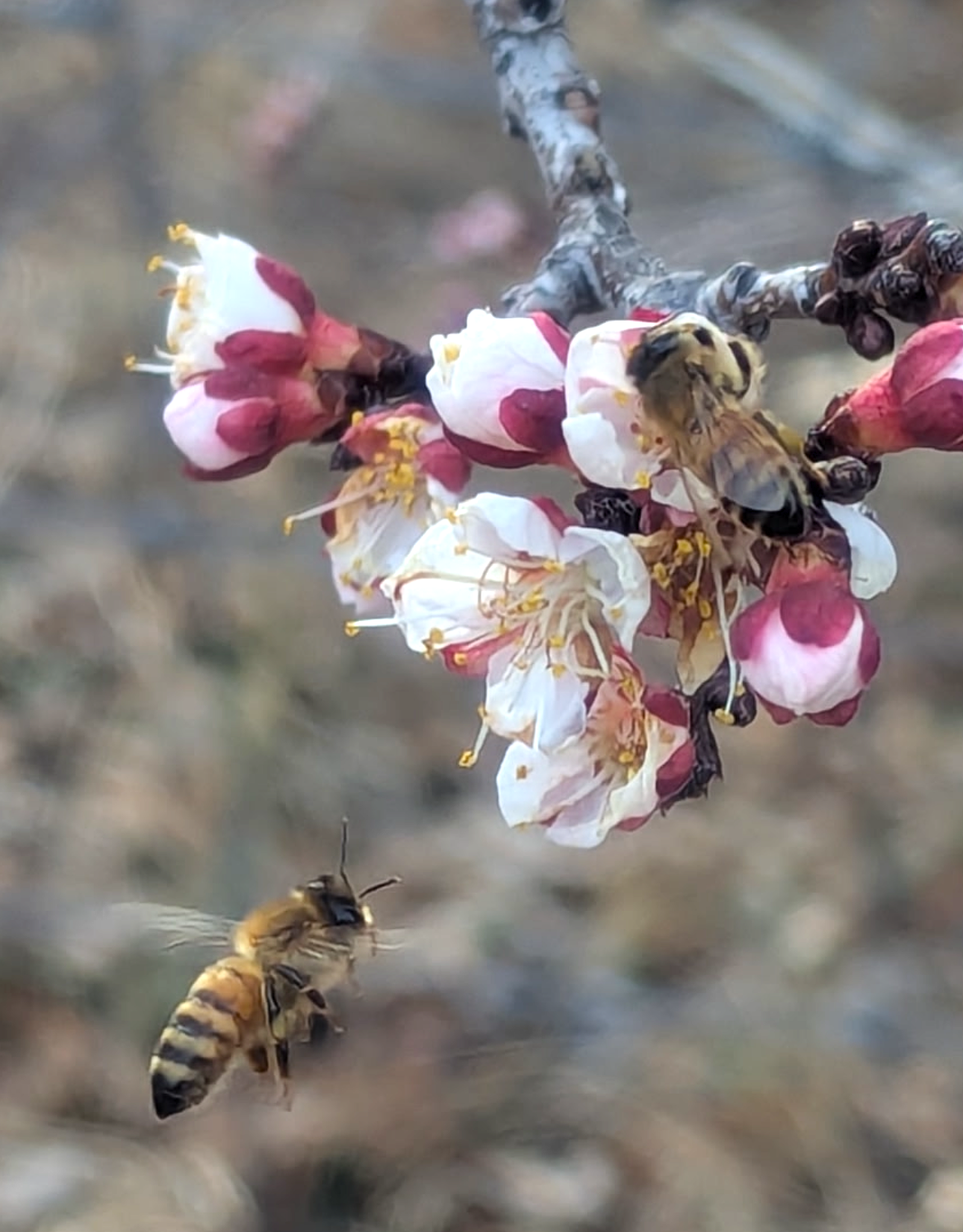
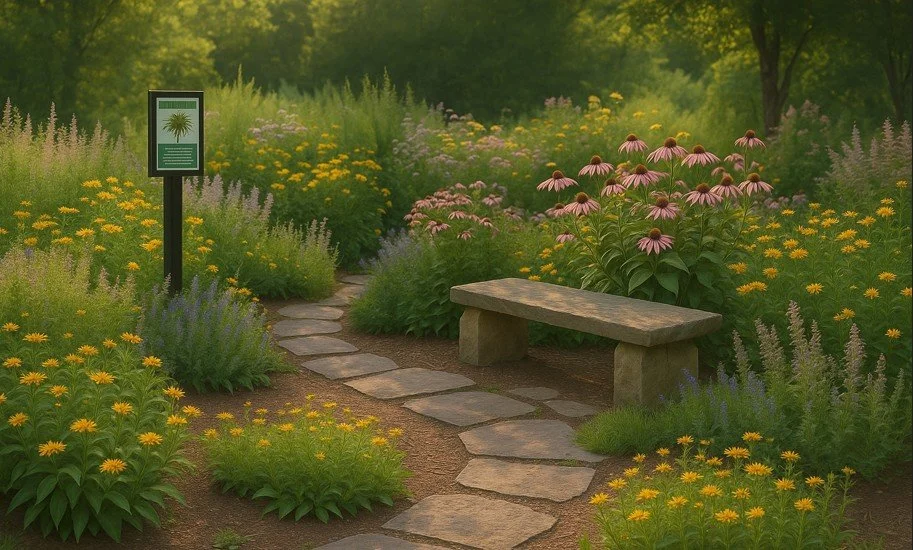
Welcome to the Healing Pollinator Garden at 116 N 7th Street in Cañon City, Colorado, a place created to support pollinators, restore beauty, and nurture community well-being.
The building at 114-116 N 7th Street was associated during the mid-20th century with Dr. Henry Christian Grabow, M.D., a longtime Cañon City physician whose professional offices were located here. Court records describe the property as having two offices on the first floor and an apartment on the second floor, reflecting its role as a working professional building in the life of the community.
A family history written by Dr. Grabow’s daughter, Alma Diana Grabow Elder, describes his move to Cañon City after World War II to help meet the medical needs of rural communities. He served patients in both Cañon City and Westcliffe, and his contribution reached beyond medicine alone.
Historical family and community sources connect Dr. Grabow with leadership in the region’s early mental health efforts through the West Central Guidance Center, part of the lineage that later became West Central Mental Health Center and today’s Solvista Health. Family history also credits him with later service as chairman of Family Crisis Services, whose mission of advocacy, safety, and support for survivors remains active in this community today.
That continuity gives this site a deeper meaning. Long before the Healing Pollinator Garden was imagined here, this address was already connected with care, service, and community well-being. The garden carries that legacy forward in a new form, offering a place of beauty, refuge, education, and healing.
Read the full history and sources below.
This garden was created as a place of beauty, refuge, learning, and community connection. It supports pollinators, biodiversity, and restoration while also inviting people to pause, reflect, and experience the healing presence of the natural world.
This site also carries a meaningful human story. Long before the Healing Pollinator Garden was envisioned here, the building at 114/116 N 7th Street in Cañon City served as a place of care, service, and community life. During the mid-20th century, the property was associated with Dr. Henry Christian Grabow, M.D., a longtime local physician whose professional offices were located in the building. Court records describe the property as having two offices on the first floor and an apartment on the second floor, showing that it functioned as a working professional building serving the town. (scholar.law.colorado.edu)
Dr. Grabow was born on June 28, 1914, and died on January 8, 1996. A family history written by his daughter, Alma Diana Grabow Elder, describes his move to Cañon City after World War II to help meet the medical needs of rural communities and notes that he served patients in both Cañon City and Westcliffe. Medical directories from later years list his office at 116 N 7th Street, further reinforcing the building’s role in his life’s work of caring for others. (tedmrd.com)
His contribution to the community reached beyond medicine. Historical sources connect Dr. Grabow with leadership in the region’s early mental health efforts through the West Central Guidance Center, part of the lineage that later became West Central Mental Health Center and today’s Solvista Health, which continues to serve the region more than sixty years later. In that sense, the building’s story is tied not only to individual medical care, but also to a broader legacy of mental and emotional well-being in this community. (solvistahealth.org)
Family history also credits Dr. Grabow with helping organize the region’s early community mental health work, chairing its board in its early years, and later serving as chairman of Family Crisis Services, which supported women and children in crisis. Family Crisis Services remains active in the community today, promoting safety and justice for survivors of domestic violence and sexual assault through advocacy, support, and education. That continuity feels especially meaningful in light of The Crucible Center for Arts and Wellbeing’s own mission of healing, restoration, and support for those rebuilding their lives. (tedmrd.com)
Family sources also credit Dr. Grabow with service on City Council and with advocating for a water purification plant, reflecting a broader commitment to the health and well-being of the community. (tedmrd.com)
Histories like this matter because they reveal how places can hold and extend a legacy of service across generations. This site has been part of a long thread of tending to human need through medicine, mental health leadership, family support, and civic concern. The Healing Pollinator Garden offers a new chapter in that same spirit, creating a space for beauty, refuge, education, biodiversity, and community connection. Rather than standing apart from the past, the garden can be understood as growing from it, an expression of healing rooted in service. (scholar.law.colorado.edu)
Sources
Court record describing the building’s office and apartment use
(scholar.law.colorado.edu)
Family history written by Alma Diana Grabow Elder
(tedmrd.com)
Solvista Health historical continuity
(solvistahealth.org)
Program Spotlight: Healing Pollinator Garden
Community Engagement
Build belonging through workshops, shared learning, and community participation.
Nature-Based Well-Being
Support calm, reflection, and renewal through hands-on connection with plants and the natural world.
Education and Stewardship
Teach pollinator habitat, native planting, biodiversity, and sustainable practices.
Purpose and Participation
Invite people to contribute to something life-giving for both community and ecosystem.
Habitat and Beauty
Create a welcoming space that supports pollinators, restores beauty, and offers refuge.